Sweet Baby Ray's Hawaiian Bbq Sauce Rib Recipe Oven
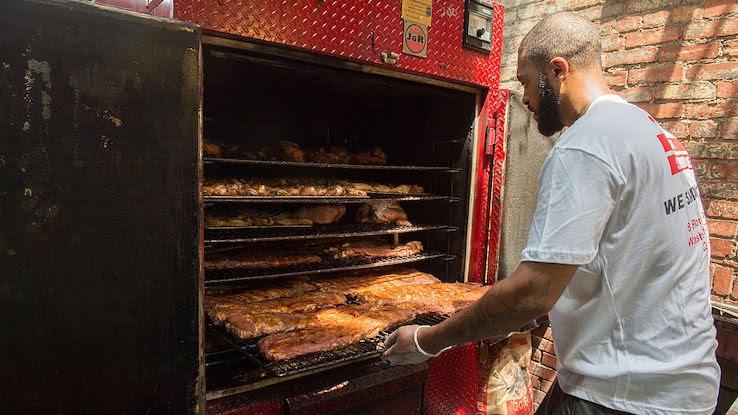
From Alabama White and Carolina Gold to Texas brisket and a little something chosen crispy snoots, American barbecue culture encompasses a various medley of cooking techniques, cuts of meat and finger-lickin'-flavorful sauces. Today, many regions across the country have their own variations of barbeque — and some seriously deep local cultures to continue with them.
To celebrate the fact that grilling flavor is officially underway, we're taking a quick trip across the country to highlight some of the United States' tastiest and most time-honored barbecue legends. Some are more famous than others, sure. Simply they're all unique and more than worth a endeavor, whether you lot're an aspiring pitmaster or even so don't know your style around a pair of tongs.
Carolina Gilt Is Terrifically Tangy
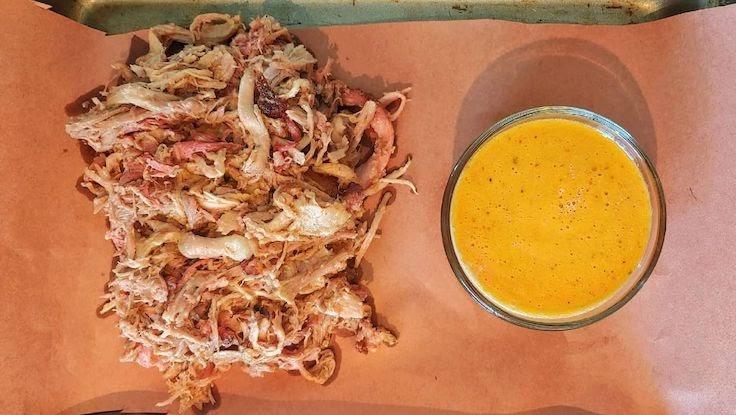
Start stop on the tour? The Palmetto State — specifically a ring of land stretching from Columbia to Charleston. The barbecue here in South Carolina focuses more on the sauce than the meat, which isn't to say the barbecued pork isn't important, but the sauce is definitely the main effect.
Carolina Gold is its proper name, and mustard is its game. Thanks to an influx of High german immigrants to South Carolina in the mid 1700s, the region's most famous barbecue sauce has a mustard base. Vinegar is likewise a central player in Carolina Gold charcoal-broil sauce — it thins the mustard — and some sugar and zesty spices finish it off. This uniquely courageous condiment is a must-effort for all barbecue fans visiting S Carolina.
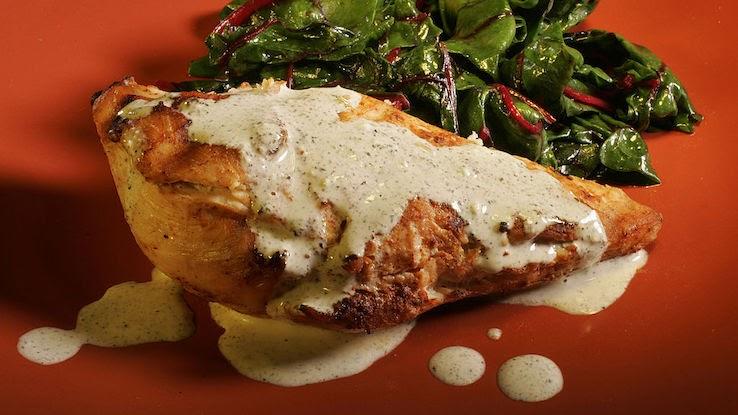
While traditional barbecue sauce is red in color as a event of its tomato base (ketchup is a common ingredient in traditional sauce), Alabama has taken its preferred condiment in a totally new direction: The state'southward famous charcoal-broil sauce is a much lighter color and completely free of all things tomato-y. Called Alabama White, its recipe begins with a mayonnaise base and incorporates apple tree cider vinegar, horseradish, salt, pepper and sometimes a spoonful or two of brown sugar.
Another distinctive feature of Alabama barbecue is that information technology's not just a champion of slow-cooked pork, but of chicken as well. Head to an Alabama barbecue pit and you'll likely find pork or chicken nestled comfortably on a sandwich and smothered in that signature kicky white charcoal-broil sauce.
St. Louis Pork Steaks Boast a Sweetness Char
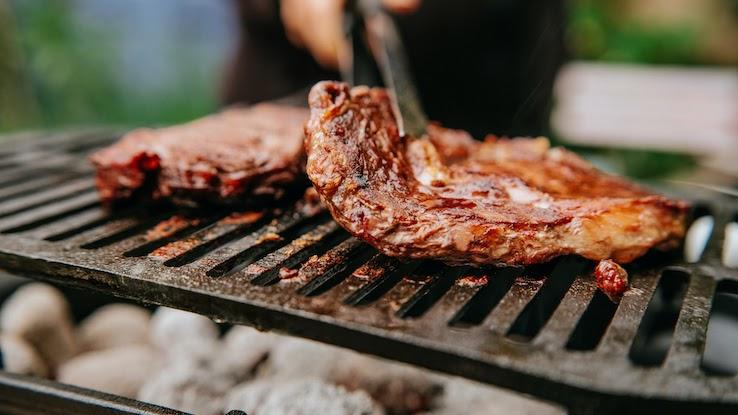
St. Louis is all most barbecue in all forms — St. Louisans purchase almost twice every bit much barbecue sauce as average Americans elsewhere around the country. And they're not but going whole-hog when information technology comes to their sauce, but when it comes to their meats likewise. The love of all things barbecue means this city has become known for some special cuts that you won't see as oftentimes anywhere else, including the coveted pork steak.
To prep this distinctive dish, pork shoulder is ho-hum-cooked over a grill and slathered with a classically sweet, love apple-based charcoal-broil sauce. The steaks are thin-cut and come from a specific part of the pork shoulder known as the Boston butt. Despite its name, it'southward a cut of pork you lot're most likely to discover in the Midwest. Pork steaks became popular in St. Louis in the late 1950s, and now you tin can find them at virtually every grocery shop and butcher in the region.
Texas Brisket Might Just Be the Juiciest
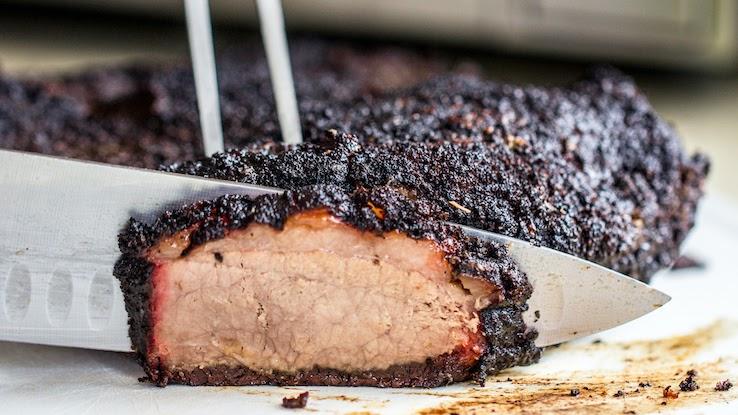
The saying "Everything's bigger in Texas" rings true only as much for barbecue equally it does for everything else in the Lone Star Country — with an surface area that big, y'all're bound to run across variations in cooking techniques, seasonings and cuts, right? Right. However, when people think of traditional Texas BBQ, the first thing that comes to listen is probable the cardinal Texas cowboy staple known every bit brisket.
Given the ubiquitous nature of beefiness in Texan cooking culture, it should come every bit no surprise that brisket, a cutting of meat from the lower breast of a cow, often takes center stage in barbecue pits effectually the land. Making this mouthwatering staple involves lots of fourth dimension and non besides much heat — that famous "low and irksome" technique that's a barbecue hallmark and a cardinal fashion to soften tough cuts. Many Texans apply a dry rub spice blend earlier popping their brisket into a smoker — not a grill — and tend to forego sauce completely with this cut.
Lexington Style Packs on the Season
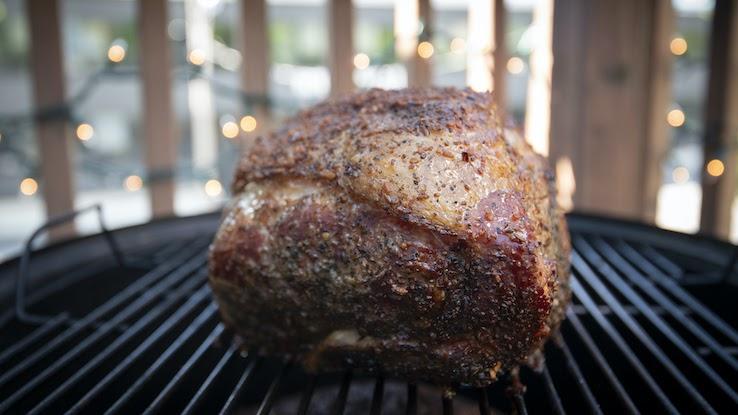
Lexington, North Carolina, has more than charcoal-broil restaurants per capita than any other city around the globe, and its famed almanac barbecue festival draws hundreds of thousands of visitors each year — so its title of Barbecue Majuscule of the World is pretty well deserved. Just what's the big describe for all these hungry travelers (and non to mention the native Lexingtonians)?
Lexington-mode barbecue is one of a kind, roasting salted pork shoulder over hickory forest. It also incorporates a undercover rub made with paprika, pepper, brownish saccharide and mustard. And if that wasn't enough, Lexington barbecue has another play a trick on upwards its sleeve: For fifty-fifty more depth, the pork shoulder is basted with a special dip of vinegar, h2o, common salt and pepper. Both the dip and the fat from the meat drip onto the coals beneath, and the resulting smoke infuses the meat with a deliciously rich flavour. You can request more of that "dip" on the side, though the tender meat generally won't need it.
Kentucky Mutton Has a Special Tang
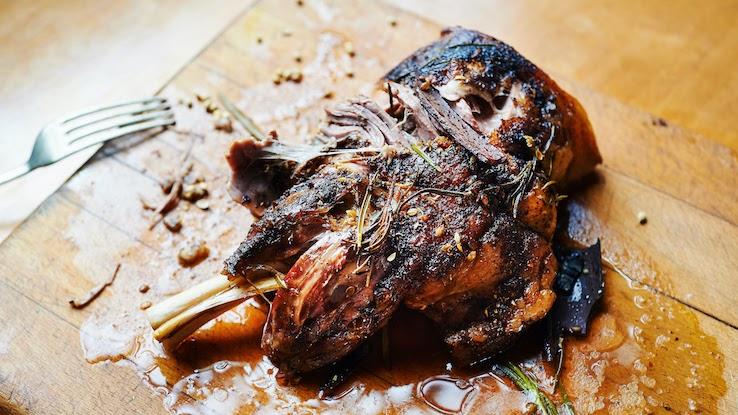
Wool production was booming in Kentucky during the early 1800s, partly due to the fact that Irish and Scottish settlers in the region brought their keen sheep-farming skills when they immigrated. Having so many sheep around led to the growing popularity of mutton as the meat of choice in local barbecue culture.
To charcoal-broil mutton, Kentuckians typically smoke information technology slowly over a hickory wood fire or in a smoker. Barbecued mutton is served with "mutton dip," which is a blend of Worcestershire sauce, vinegar, brown sugar, lemon juice and a handful of spices. It's a sour and tangy sauce that can't be missed when you're trying barbecued Kentucky mutton.
St. Louis Crispy Snoots Might Just Beat Salary
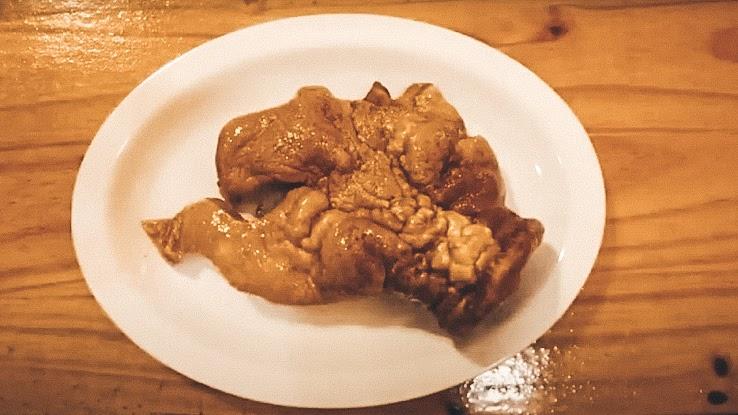
St. Louis pork steaks are a definite must-try, but if you're sampling St. Louis barbecue you can't miss out on a truly unique dish with a pretty spectacular name: "crispy snoots." These snack-worthy delights are grunter snouts — nostrils not included — roasted on an open grill until they're prissy and charred, which gives them their signature crispy texture. Then, they're generously covered in a sugariness and thick tomato-based sauce whose ingredients include molasses, vinegar and spices.
St. Louis' crispy snoots take relatively apprehensive beginnings; they originated at food trucks in East St. Louis during the 1940s, and they've become internationally renowned in the years since. Nevertheless not certain well-nigh noshing on noses? Their flavor and texture is all-time described as a "mix between pork skins and salary…served like a chip," which does a improve job of highlighting why millions of diners grub downward on snoots each year.
Memphis-Style Dry Rubs Create Crisp Crust
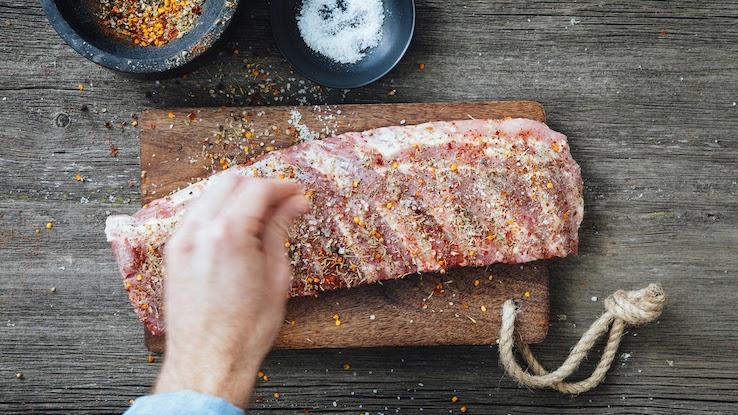
Memphis-manner charcoal-broil gained its fame from its dry rub. Only don't go thinking that somehow makes the meat itself dry — information technology creates a zesty seal that locks in moisture, making Memphis meats fall-off-the-bone proficient. Before smoke-cooking pork shoulders and ribs, pitmasters here coat their cuts in an aromatic spice mix that commonly consists of paprika, cumin, sugar, cayenne pepper and garlic powder, working it into the meat and building upwardly a thick coating of flavour.
As the meats cook low and irksome, the rub forms a kind of crispy, succulent crust. Some people even sprinkle a bit more of the dry rub onto the meat for expert measure. The vibrant flavor that comes from the rub usually means serving the meat without whatsoever kind of sauce is a Memphis standard — but don't exist agape to ask for some on the side.
Hawaiian Kālua Pig Is Smoky and Tender
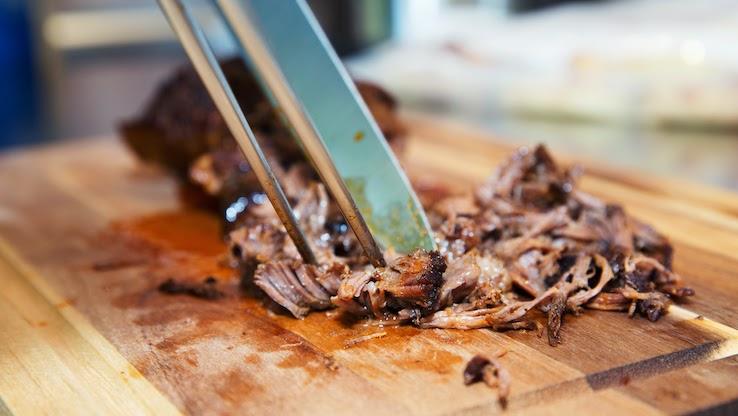
If you've ever heard of Hawaii's traditional lūʻau feasts, you might know that a frequent star of the party is a barbecued dish called kālua pig. The word "kālua" describes a Hawaiian cooking method that involves building a burn down in a pit called an "imu," placing stones over the embers and nestling ti foliage-wrapped meats on those stones. To cease things off, the meat is covered in a layer of vegetation and completely buried in soil, creating an underground oven that holds in plenty of steam to keep unlike meats tender and moist.
To lucifer the celebratory mood of a lūʻau (and to feed a large number of guests), a whole pig is often cooked in this manner. Later on steaming and caramelizing in the imu for several hours, the pork is removed and served shredded. Information technology takes on a smoky-sweetness flavor from the ti leaves and the cooking procedure, so it's rarely served with sauce — and in one case you get a taste of this dish, you'll see why condiments aren't necessary.
Source: https://www.ask.com/culture/sauce-bosses-roadmap-american-bbq?utm_content=params%3Ao%3D740004%26ad%3DdirN%26qo%3DserpIndex
0 Response to "Sweet Baby Ray's Hawaiian Bbq Sauce Rib Recipe Oven"
Post a Comment